
General Ngo Quang Truong was born to a well to do family in the Mekong Delta in 1929 and after attending college he went to officer school and received his commission in 1954 serving the next 12 years in the elite airborne brigade which he would come to command. He first saw combat in 1955 to eliminate river pirates from the surrounding area of Saigon.
In the 1960s the war with north would heat up and Colonel Truong as he was then scored a series of victories against the communists. This included a period of time when a US advisor was assigned to the Airborne by the name of Major Schwarzkopf who would later as General Schwarzkopf command forces in the Persian Gulf War. He observed that Truong was the most brilliant tactical commander I‘d ever known. – Simply by visualizing the terrain and drawing on his experience fighting the enemy for 15 years, Truong showed an uncanny ability to predict what they were going to do,” Schwarzkopf wrote. He recalled a battler where Truong clearly anticipated the enemy‘s movements throughout the day. At the end of it they had captured large stockpiles of weapons, killed many of the enemy for few losses of their own. It was a great victory and Schwarzkopf was happy but Truong sat to the side emotionless smoking his cigarettes. He had been fighting the communists a long time.

Troung a Buddhist was put in charge of quelling demonstrations by Buddhists protesting military control of the government. He was not comfortable with his job but he carried it out professionally and was permanently given command of 1st Infantry Division. A poor unit before his command of it other noted American generals of the Vietnam war referred to his division as equal to any American unit.
Unlike some South Vietnamese generals who had grown rich as they ascended the ranks, Truong was impeccably honest and, according to a close friend, led a “spartan and ascetic” life. Lieutenant General Cushman recalled that the general didn’t own a suit, and that his wife kept pigs behind his modest quarters in the military compound in Can Tho. As Cushman further described Truong, “He was imaginative and always looked for ways to improve his troops’ living conditions and family life.”
A humble man, Truong was an unselfish individual devoted to his profession. He was fiercely loyal to his subordinates, and was known for taking care of his soldiers, often flying through heavy fire to stand with them in the rain and mud during enemy attacks. He treated everyone the same and did not play favorites. There is a story that he refused to respond to a request to give his nephew a noncombat assignment, only to have the nephew later die in battle.
During the Tet Offensive of 1968, General Truong commanded the 1st Division during some of the war’s bloodiest fighting in Hue. Two nights before the offensive began, Truong, at his head-quarters in the old Imperial capital, sensed something amiss and put his troops on alert. When the night passed uneventfully, he dismissed his advisers but kept his troops ready.
His Hac Bao reaction company managed to hold his division headquarters compound and from there he directed the battle calling for reinforcements and directing them where to strike. Together, the U.S Marines and South Vietnamese soldiers and marines fought house to house to force the enemy out of the area. As usual, Truong had performed magnificently, directing his troops in a calm but charismatic fashion. Lieutenant General Cushman, who became his close friend after working with him, described Truong’s performance during the battle: “He survived with the enemy all around him. They never took his command post, but they took the rest of the Citadel.”
His greatest achievement ultimately occurred in 1972 during the Easter Offensive. The North Vietnamese launched an attacking force of 14 infantry divisions, 26 separate regiments, 1,200 troops and more than 120,000 troops. They succeeded in taking their goal of Quang Tri the first provincial capital to fall and pushed farther south.
Realising what was at stake General Truong was ordered to take command of I Corps by President Nguyen Van Thieu. Arriving in the area his mere presence gave new hope to the South Vietnamese troops. He devised a comprehensive defence in depth to halt the North Vietnamese Army‘s advance which would buy him time as he retrained South Vietnamese units that had been battered during the retreat and re-equipped them with new American gear using an accelerated training pro-gram. Launching a counter offensive in May with 3 divisions and US airpower and naval shelling Troung defended South Vietnam from invasion. It was a deliberate and slow process, but Truong’s forces routed six NVA divisions to retake Quang Tri on September 16.
Sadly it was not to be so again three years later. The North Vietnamese returned and defences in the Central Highlands collapsed. Truong was ordered to defend Hue and set about doing it but then a week followed of debate and accusations conflicting orders followed. Truong was ordered to abandon Hue until at the last minute this was countermanded. Because of conflicting orders, lack of preparation and collapse of morale the withdrawal from Hue became a disaster. Reaching Da Nang Truong tried to direct an evacuation by sea but panic had set in.
As Da Nang fell, he and his corps staff swam through the surf to the rescuing fleet of South Vietnamese boats. Truong was devastated by the loss of his forces, particularly his beloved ARVN 1st Division. Upon arriving in Saigon, he was reportedly hospitalized for a nervous breakdown. A U.S. Army officer who had worked closely with Truong heard what happened, tracked him down and arranged for his family to leave on an American ship as Saigon fell to the Communists. The family was split for some time before being all tracked down in America and reunited. After reuniting, Truong and his family moved to Falls Church, Va.
Many Australian and American troops came from the war in Vietnam which was known as the first war our countries had lost. Not necessarily accurate but it was hard thing to deal with for some of our troops. The one thing we did not have to deal with that Truong like so many of his fellow South Vietnamese soldiers had to was that they could not go home. They had not just been on the losing side of a war that they had fought for so long and given up so much for but they had also lost their countries, their homes. True to his character though Truong got on with living a good life in his adopted country. Once settled there, he wrote several historical studies on the Vietnam War for the U.S. Army Centre of Military History. In 1983, the same year that he became a U.S. citizen, he moved to Springfield, Va. He worked as a computer analyst for the Association of American Railroads for 10 years until he retired in 1994. He died due to cancer in 2007. Shortly after his death, the Virginia Legislature passed a Joint Resolution “Celebrating the Life of Ngo Quang Truong.”
Schwarzkopf wrote of him “He did not look like my idea of a military genius: only five feet seven…very skinny, with hunched shoulders and a head that seemed too big for his body….His face was pinched and intense…and there was always a cigarette hanging from his lips. Yet he was revered by his officers and troops—and feared by those North Vietnamese commanders who knew of his ability.”
-Lloyd Marken


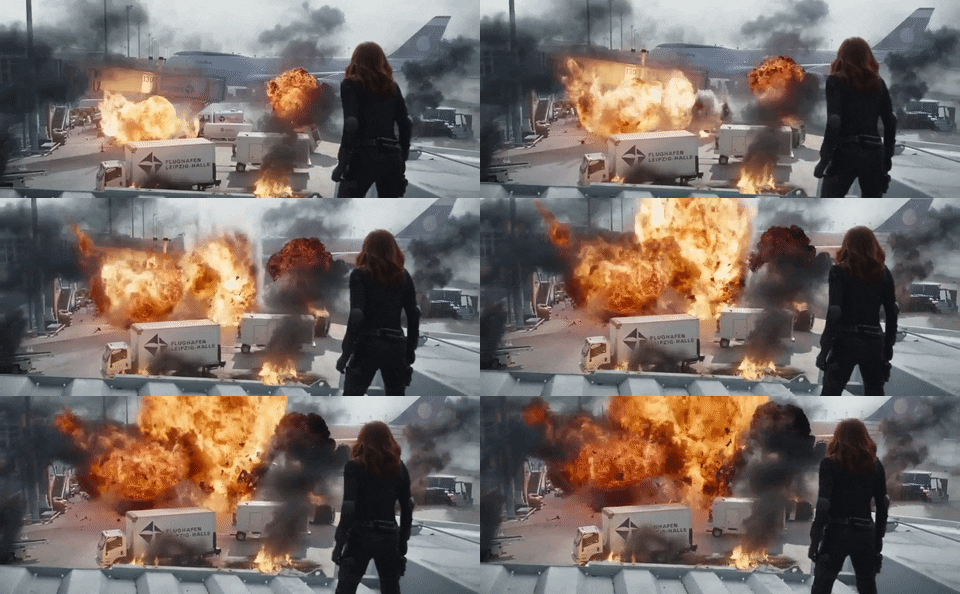 There are multiple characters with their own motivations, story and stand out moments juggled effortlessly. Amidst all the special effects are some effective practical stunts, witty dialogue and heart. Heart first and foremost always in the telling of the story. If any of these films have flaws it is not for lack of heart which is an even grander achievement when you consider the assembly line production of them. There are pay offs here that are built on history that has been developed over 8 years and 12 films.


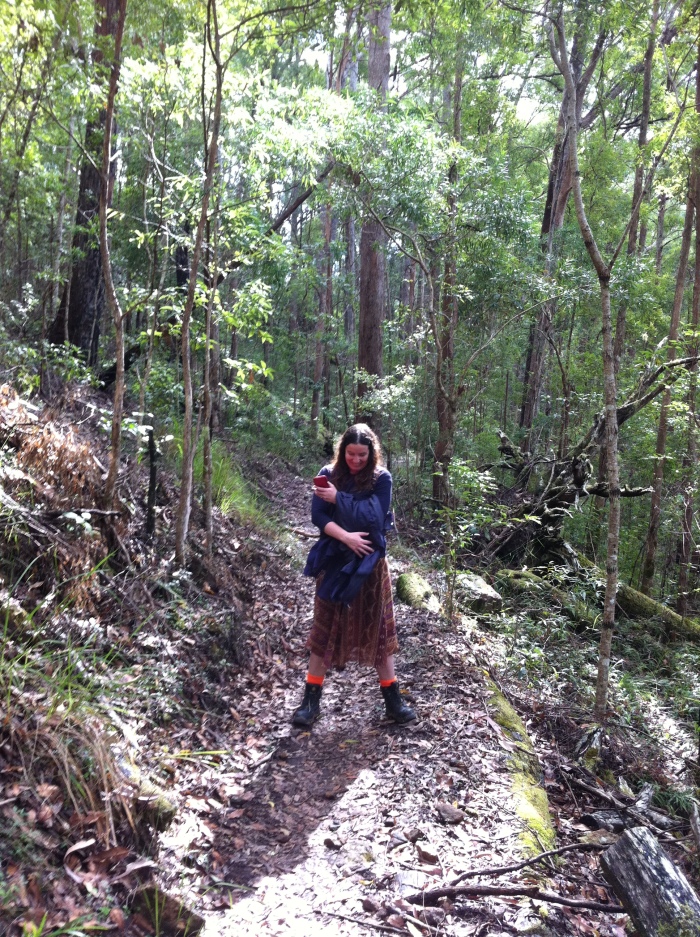
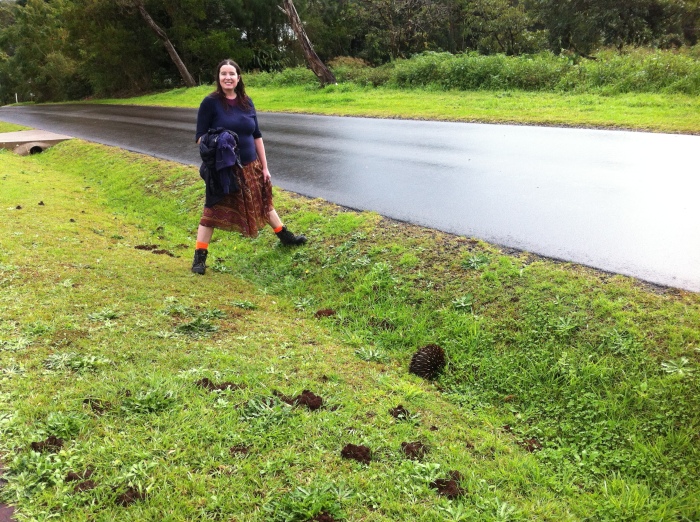
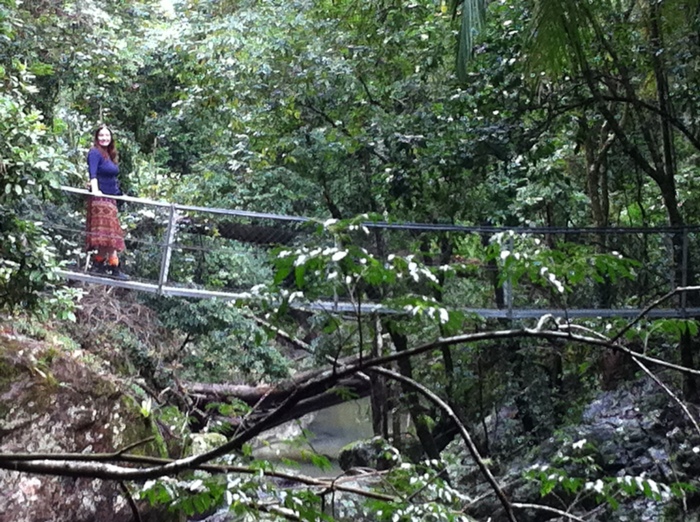 Karen Crossing the Baxter Creek Suspension Bridge. © Copyright Lloyd Marken
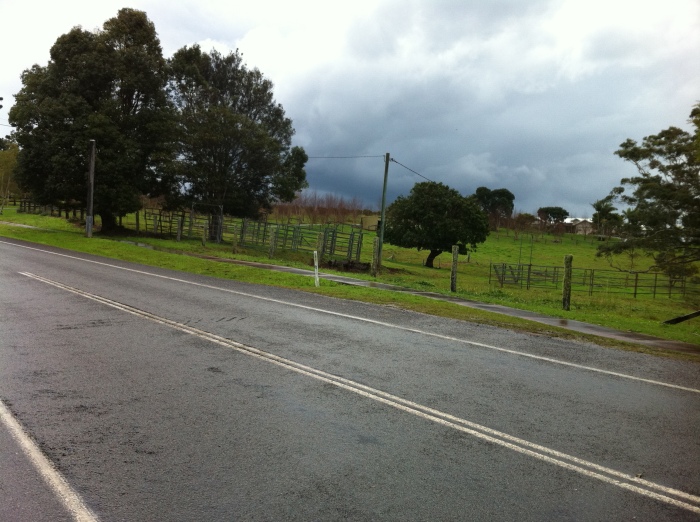 I loved the red of these trees against the blueish-gray sky that I had to get a picture. © Copyright Lloyd Marken
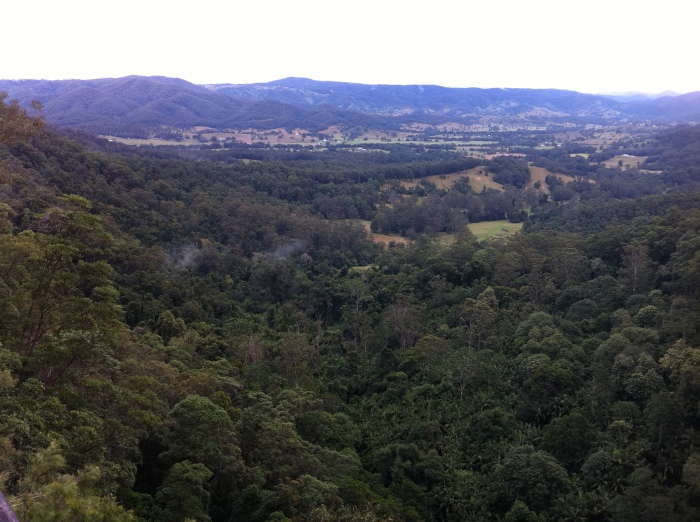
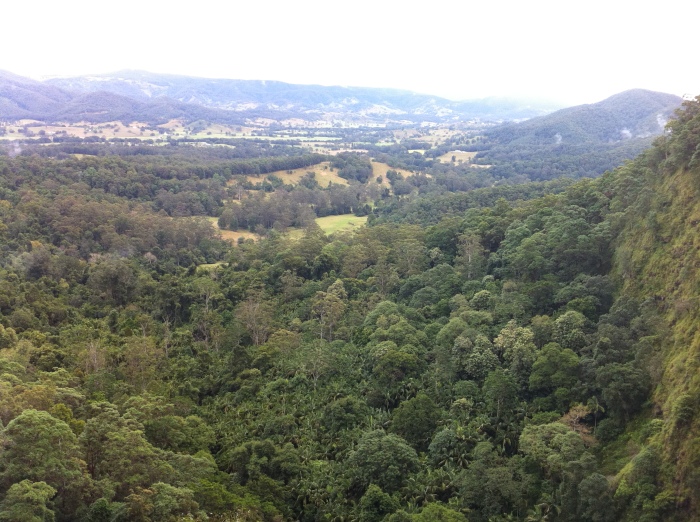
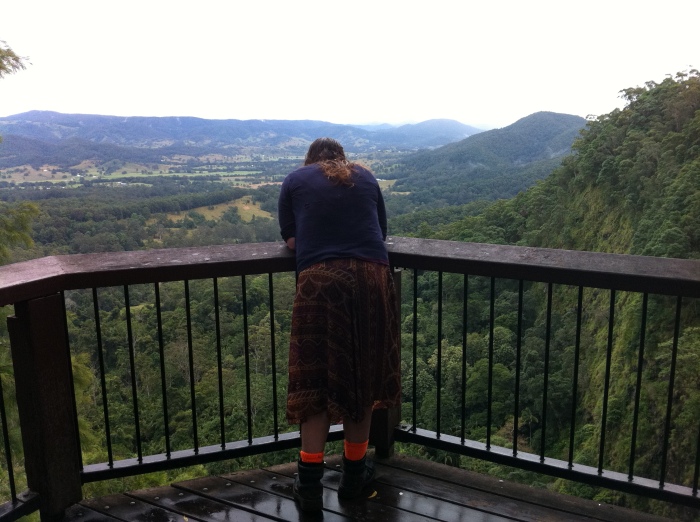 The view from Mapleton Falls Lookout. © Copyright Lloyd Marken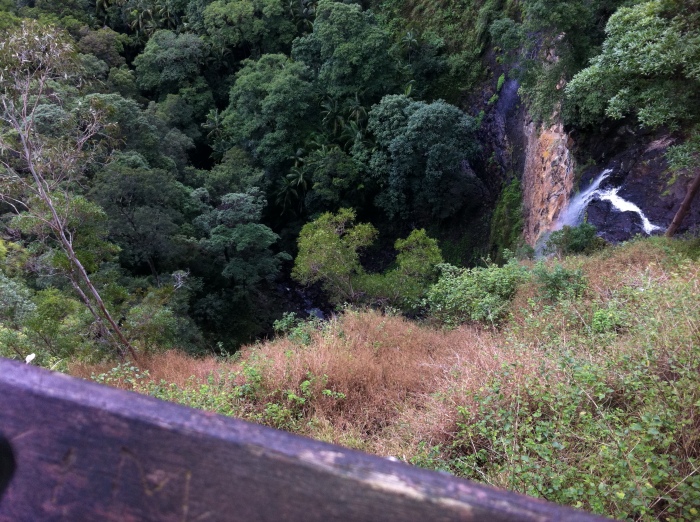

 I studied in the Creative Industries and like a lot who do it is not now where I work. A few years ago my sister who
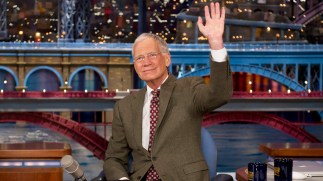 ” When Craig Ferguson’s last show aired in the middle of the night I stood up alone in my living room in my boxers as Craig finished singing and the audience applauded. I smiled sheepishly knowing how stupid I was behaving but wanting to feel connected in some way.


 Less a film review than a full blooded rant. “Kicking off where that film ended with Bruce Wayne on the ground during the Metropolis battle trying desperately to reach his people in a Wayne Enterprises building in the best sequence of the whole film. The music and sound pounding in an
  Arguably the funniest of the award season darlings last year. ” This is the film’s greatest conceit; it’s inversion of what happened. The majority of Americans got ripped off and screwed over by the Global Financial Crisis! Then it spread to the rest of the world too! The Big Short doesn’t follow suckers or losers though, it follows winners, people smart and brave enough to see what was going down and the film makes us feel included in their wisdom and plight when we weren’t. I don’t say this cynically, I think this is the best movie ever made about the Global Financial Crisis and it will reach the broadest audience and make them feel the most about it as a result of this approach. The film is never preachy but there are few lines sprinkled throughout that hit home not just about the financial sector but maybe even our society at large. There are montages of photos to remind us of current events and major pop culture distractions at the time. One great sequence shows many characters leaving a hotel and their current wealth defined by the car they leave in.”


 Again more a spoiler filled rant than a review to the biggest film of last year. The film’s popularity may have something to do with this. ” Han Solo to me is still roguish in this one but with age and a son has come vulnerability and real stakes for the smuggler. I’ve seen the film four times and every time Leia says “Luke is a Jedi…you’re his father.” I tear up. There has been a lot of talk about how Han Solo should have died in an epic way taking on many bad guys or sacrificing himself to save someone’s life. That’s the thing though he does die in an epic way to save someone’s life…to save Ben…to save his son’s.”
 The first great film of 2016 is certainly garnering a lot of attention. “Missiles hovering high in the sky waiting for civilians at trade deals to come and answer their phones. Boys selling cheap plastic buckets to act as a cover story for an agent while he operates multi-million dollar miniature drones to fly inside a safe house. Bread in a wood fired oven potentially being a death sentence. Gavin Hood’s film powerfully conveys a brave new world with the same old truths of human nature. We want to raise our children in peace, go to work, come home and see them playing in our yards. But war has always existed and people die in wars.”
 Back to the Drawing Board Productions